
Development of high-load custom systems

We design new platforms and modernize the backend when the growth of traffic, data and integrations becomes a risk for the business.

We start with the load and critical scenarios: we fix the SLO, architecture, migration plan and launch outline. Then we implement the changes, test them under load and pass on clear support regulations to the team.

When is a highload backend needed?

Not “more powerful server”, but architecture for real load

We work with systems where errors at their peak mean lost orders, inaccessible accounts, integration failures or manual team work.

  • We need to prepare a new B2B service, marketplace, SaaS or API for growth.
  • The current product is slowed down by database issues, synchronous integrations, or heavy processes.
  • You need a measurable plan: what to change, how to test the results, and how to release the changes without unnecessary risk.
Load profile
We determine critical scenarios, peak demand, acceptable delays and errors.
Architecture without oversize
We choose a modular monolith, queues or independent services only where it is justified.
Safe migration
We plan changes, release reversibility, data migration and integration compatibility.
Observability and SLA
We set up metrics, logs, alerts and runbooks so that the team can see the problem before the client.
Work format

We choose the path according to the state of the system, and not according to the fashionable stack

At the first meeting we discuss the product, users, integrations and limitations. After this, we offer one of three understandable scenarios.

01

Launching a new platform

We design the domain model, API, data storage and release outline before development begins. We build the first release around critical scenarios, and not around the maximum list of functions.

02

We modernize a working system

We find points where seconds and money are lost: heavy queries, synchronous integrations, one database, lack of cache or transparency. We change the system step by step, maintaining the functionality of the product.

03

We conduct a load audit

We check real user flows, fix SLOs, build a test profile and issue a technical plan with priorities, risks and implementation assessment.

Not sure which scenario is right? Let's start with a technical analysis, and not with selling a stack.

Technical circuit

What we design before the first scaling

We select technologies after load scenarios. In the project we fix the boundaries of components, data, degradation of services and a method of safe release.

Application and API

API contracts, background tasks, idempotency, rate limiting and isolation of heavy operations.

Data and Events

Storage model, indexes, cache, queues, replication and consistency rules for critical operations.

Launch and observability

CI/CD, infrastructure, metrics, logs, tracing, alerts and a clear procedure for action in the event of an incident.

Stages of a highload project

We fix technical decisions before development begins and test them in measurable scenarios, and not after an incident in production.

1

Load and business scenarios

We highlight critical operations: login, search, order, payment, exchange with the accounting system, event processing. For them, we set target delays, availability, and acceptable behavior when overloaded.
2

Audit and architectural plan

Let's look at the code, base, integrations and infrastructure. The output is the boundaries of the components, the change plan, migration risks and the composition of the first technical stage.
3

Implementation and integration

We develop or remove critical parts of the system, add caches, queues, API contracts and protection against re-processing of events where necessary.
4

Load testing

We check the agreed scenarios: response speed, errors, task queue, database resources and dependency stability. We fix identified bottlenecks by priority.
5

Launch and development

We set up the release of changes, monitoring, alerts and regulations. After launch, the team understands what metrics to look at and how to develop the system without losing control.
Relevant experience

Projects where backend and integrations were part of the product

We show not abstract technologies, but the context: what product was built, what systems were connected and what was in the technical circuit.

Related materials

We analyze architectural solutions before the start of the project

Projects with backend, API and complex integrations

Relevant cases: e-commerce, ERP, SaaS and platforms where server architecture, data and integrations were part of the result.

Road to the Dream - comprehensive development

Road to the Dream - comprehensive development

#React #Laravel #Redis #AI integration #CDN #API

Road to the Dream: youth online store for clothing and sports events by Igor Voitenko. High load (up to 1 million visitors/sec), AI logistics, React frontend, Laravel backend.

Learn more →

Photobank of road construction objects InforAvtodor

Photobank of road construction objects InforAvtodor

#Django #React #Apollo #PostgreSQL #S3/MinIO #JWT

Photobank of road construction projects for a large company. Uploading and storing photos. Implementation in Django and React + Apollo.

Learn more →

AN Everything on Rublevka - CRM and website for a premium real estate agency

AN Everything on Rublevka - CRM and website for a premium real estate agency

#1C-Bitrix #Symfony #Integration #MySQL #Yandex.Maps #AI services

CRM + website on 1C-Bitrix to automate the work of a premium real estate agency: smart catalogue, filters, IP telephony, AI, blog and automation for realtors.

Learn more →
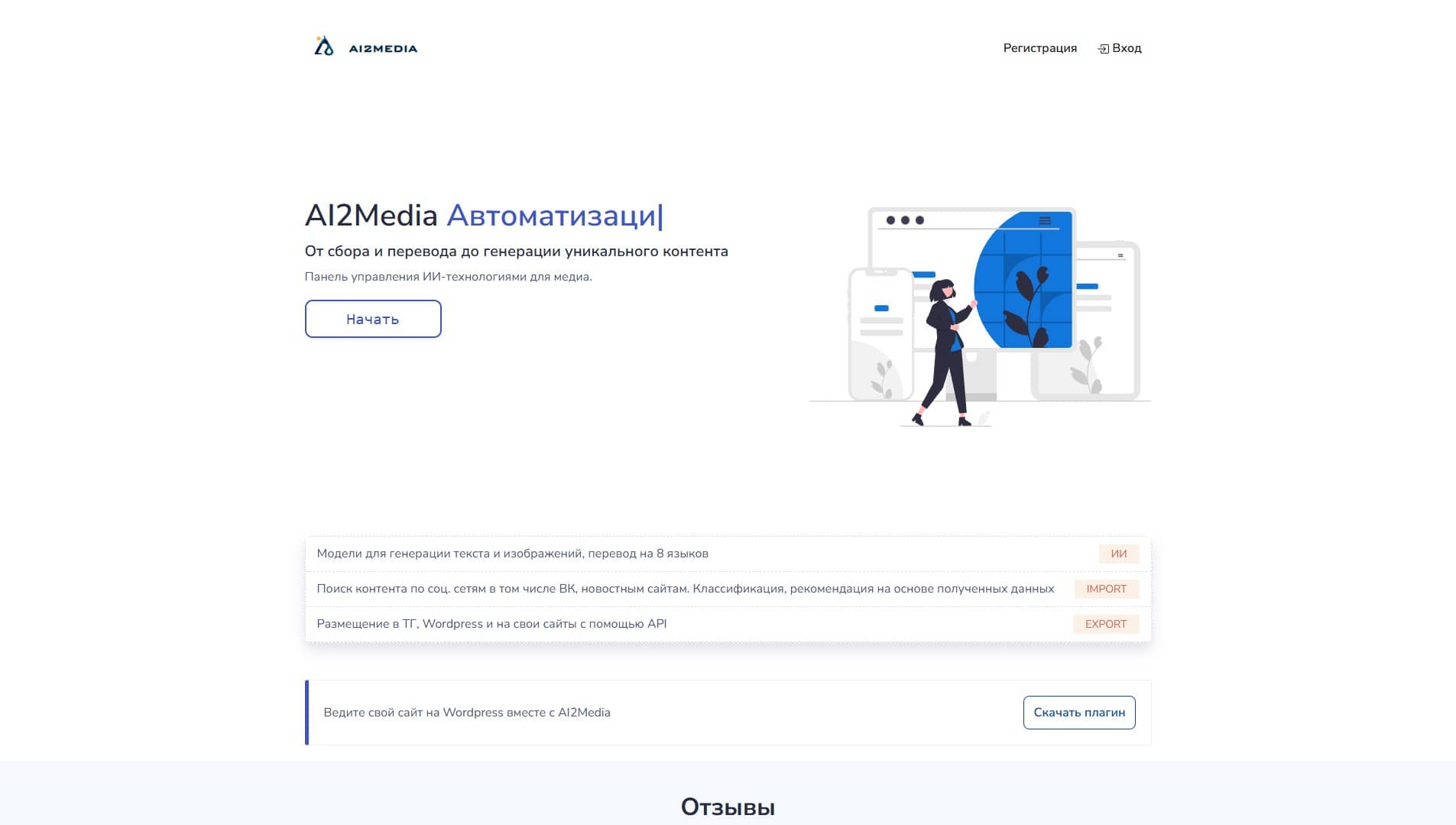
Universal AI platform AI2Media

Universal AI platform AI2Media

#Own #Node.js #Next.js #Integration #API #PostgreSQL

AI2Media is an innovative cloud platform for automating the collection, analysis, generation and promotion of media content using artificial intelligence. Integration with WordPress, Bitrix, GPT, API for export, network of bots for auto-exporting.

Learn more →
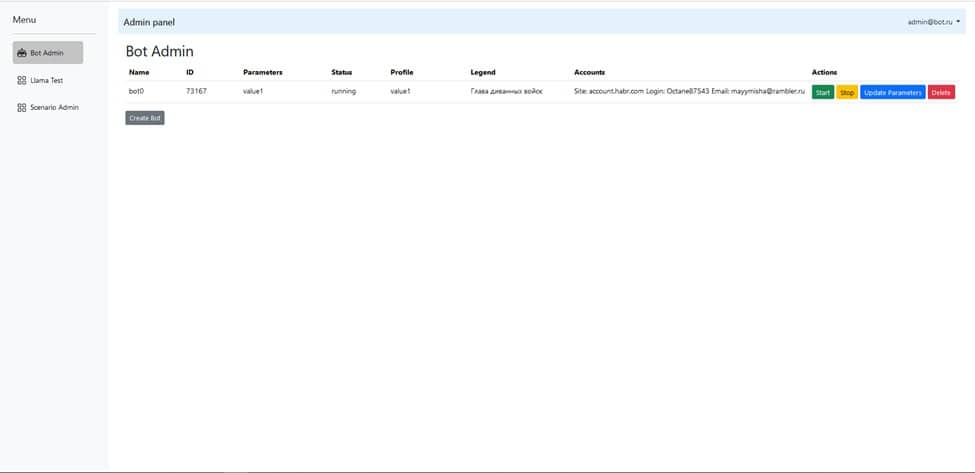
Automated Python platform EDAIS

Automated Python platform EDAIS

#Python #Django #Selenium #OpenAI #PostgreSQL #Redis #Docker

EDAIS is a multibot platform in Python: automation of posting, registration, generation and publication of content for companies and individuals. Flexible antidetect and smart algorithms based on AI.

Learn more →
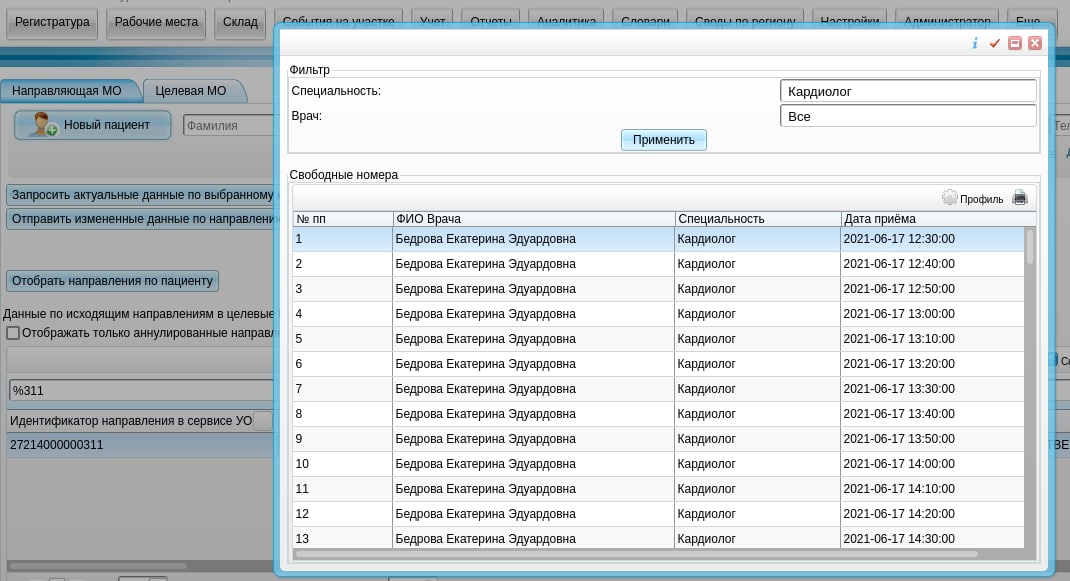
Improvement of MIS Bars + integration with bus

Improvement of MIS Bars + integration with bus

#MIS #Integration #REST #XML/JSON #Systems

Modernization of MIS Bars and implementation of integration with the regional bus for automated search of medical services and coupons.

Learn more →

Preliminary assessment of the highload project

Select the initial situation and trigger loop. In response, we will prepare a scope of work, risks, deadlines and a commercial proposal.

Total

Description:Load audit and change plan

Where do we start?

Load profile

Placement outline

What to include in your assessment

Total

Description:Load audit and change plan

Frequently asked questions about highload development

When a service is regularly hit by peak demand, slow queries, single database limitations, or complex integrations. This could be a new product, a running marketplace, a B2B portal, an API, or an internal system with growing users and operations.
Yes. First, we audit bottlenecks: load scenarios, database, queues, cache, integrations and infrastructure. Then we agree on a step-by-step plan: what can be removed, optimized or replaced without stopping critical processes.
We record key user scenarios, traffic profiles and target indicators. Then we run a controlled test, analyze errors, delays and resource consumption, and in the report we show the limiting components and the order of corrections.
Not always. Microservices make sense when individual parts of the system require independent scaling, different release rates, or risk isolation. Sometimes it's faster and safer to optimize a modular monolith, database, and integration loop.
We select the stack after auditing the task: Node.js, PHP/Laravel, Python, Go, PostgreSQL, Redis, message queues, Docker, Kubernetes, CI/CD and monitoring tools. What is more important is not the list of technologies, but the verifiable architecture for a specific load scenario.
Load audit and architectural plan start from RUB 180,000. The budget for an upgrade or new platform depends on the workload profile, integrations, availability requirements, data migration, and deployment footprint. After the technical analysis, we fix the stages and boundaries of the first release.

Leave your contacts - we will call you back, sort out the problem and offer the best way. We have more than 350 projects behind us, each of which we launched with an individual approach. We guarantee expert advice during business hours.